
A Brief History of Blush—And the Best Modern Formulas to Wear Now
If you’ve purchased more blush than any reasonable person could justify, you’re actually participating in a beauty tradition that’s thousands of years old. Long before beauty influencers, Sephora sales, and “sunburn blush” tutorials, women were finding ways to add color back into their cheeks. Ancient Egyptians used mineral pigments. French aristocrats treated rouge like a status symbol. Victorian women literally pinched their cheeks in pursuit of a natural flush.
Thankfully, today’s formulas are considerably more sophisticated. As it turns out, many of the blush trends we’re seeing right now have roots in beauty history. In this blog, we take a look at four iconic blush eras—and the modern formulas that capture each one beautifully.
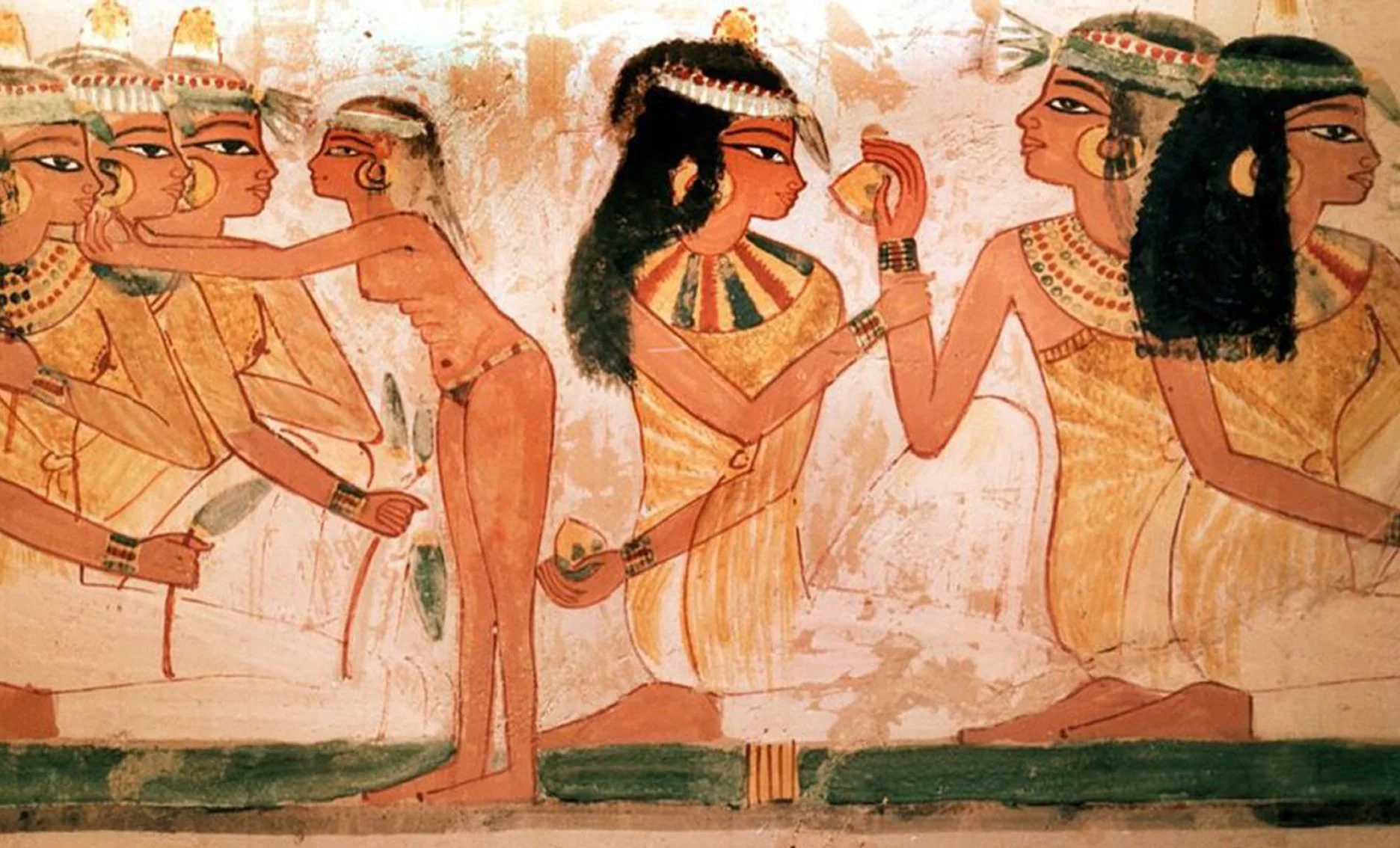
The Ancient Egypt Edit: Warm, Sun-Kissed Color
Long before “clean girl makeup” existed, Ancient Egyptians were already embracing the power of a healthy flush. Makeup was associated with beauty, status, and self-expression, and warm red pigments were used to bring life and warmth back into the complexion. Thousands of years later, we’re still chasing the same effect. Today’s version is less “crushed mineral pigment” and more “I just returned from an expensive vacation.”
What Ancient Egypt Taught Us
Blush has always been power makeup.
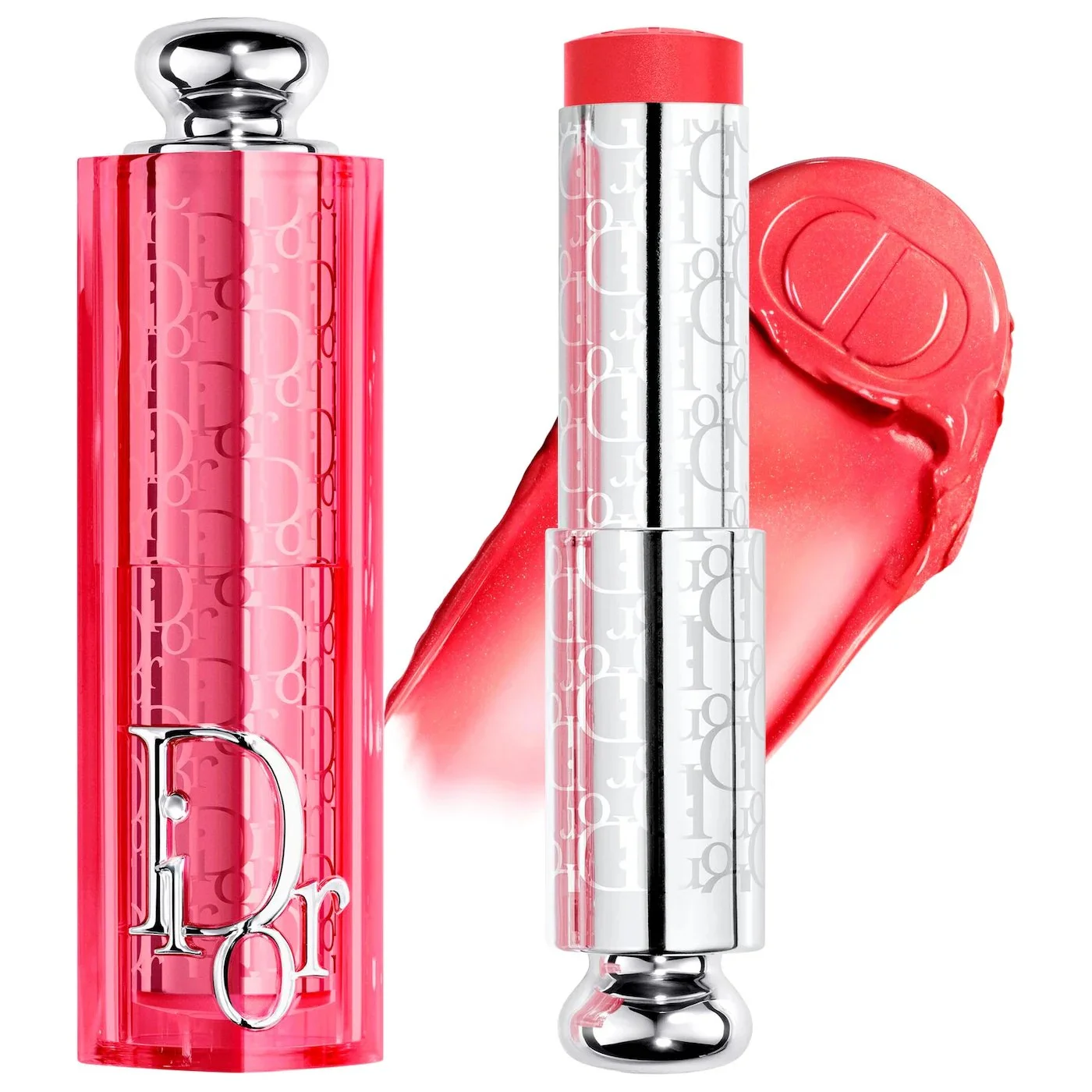
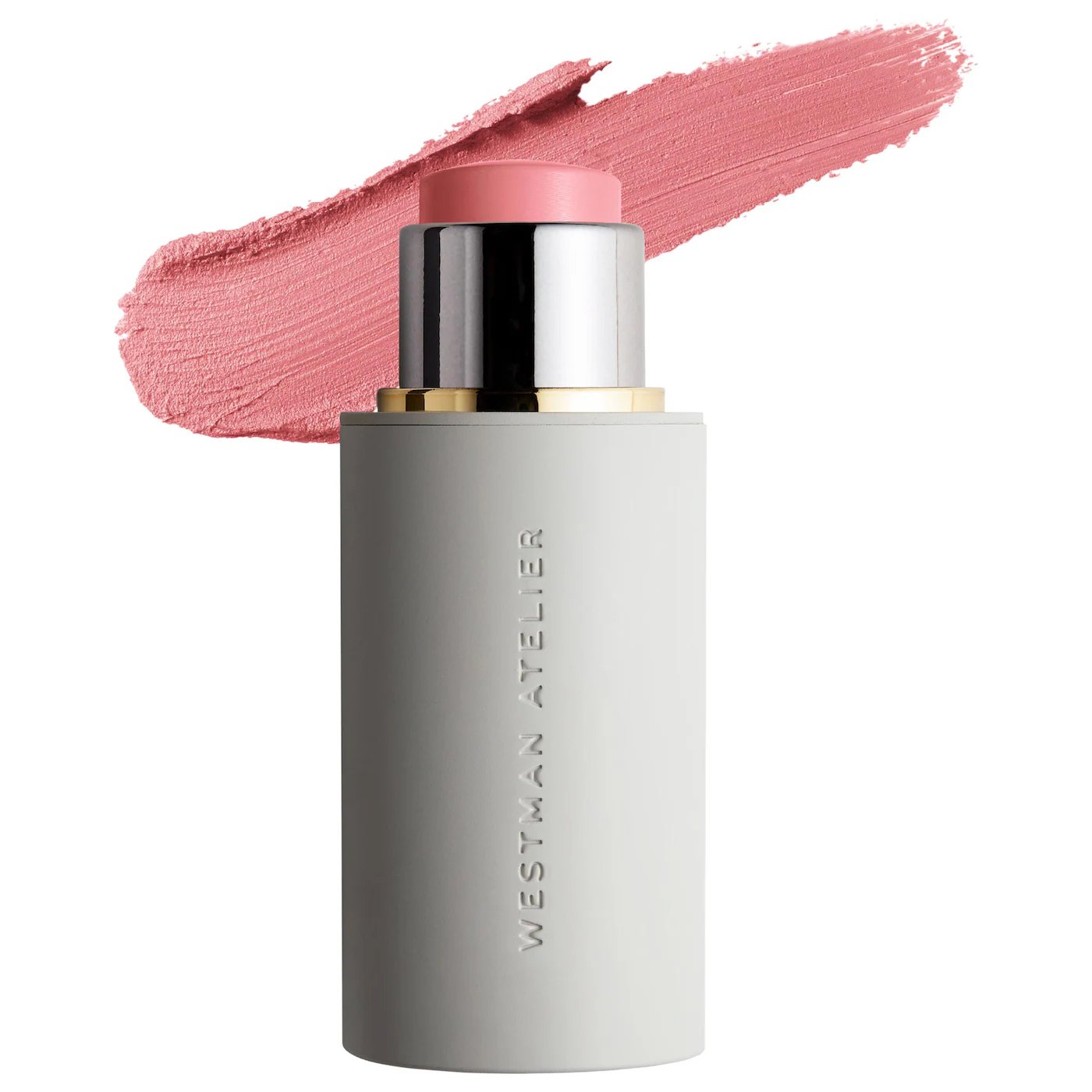
Modern Suggestions
• Dior Rosy Glow Blush Stick
• Westman Atelier Baby Cheeks Blush Stick
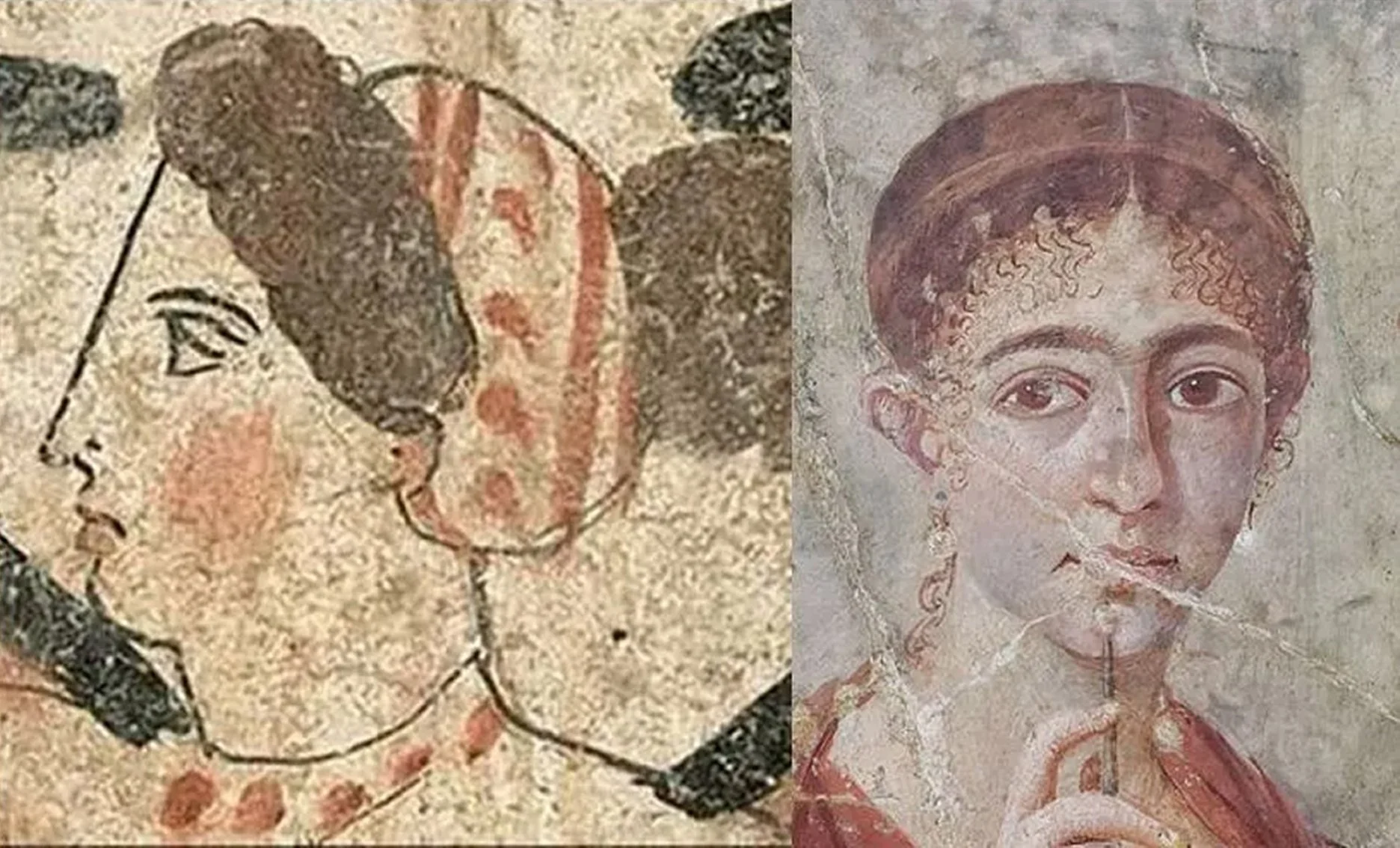
The Greece & Rome Edit: The Polished Flush
The Greeks and Romans loved rosy cheeks, although their ingredient choices were admittedly a bit questionable. The goal was to create contrast: luminous skin paired with healthy-looking color that suggested youth, vitality, and wealth. Thankfully, modern beauty has evolved beyond applying hazardous minerals to our faces. The aesthetic, however, remains timeless.
What Greece & Rome Taught Us
Modern beauty risks should be limited to overspending at Sephora.
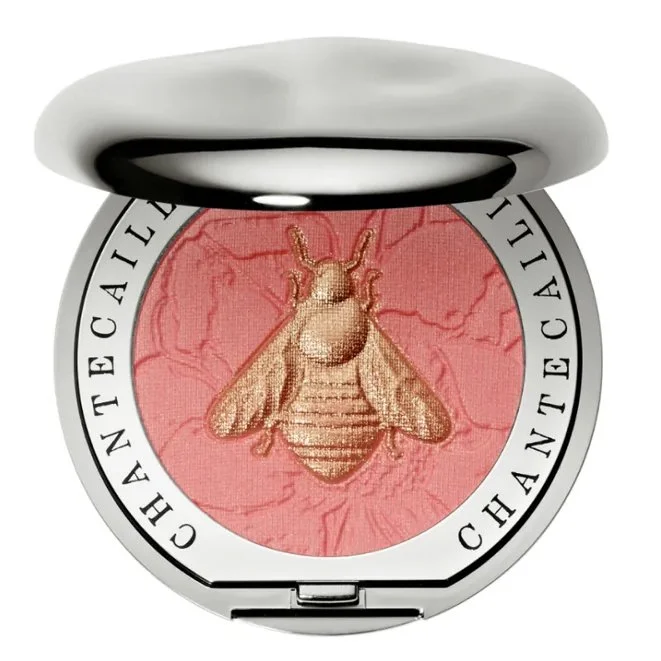
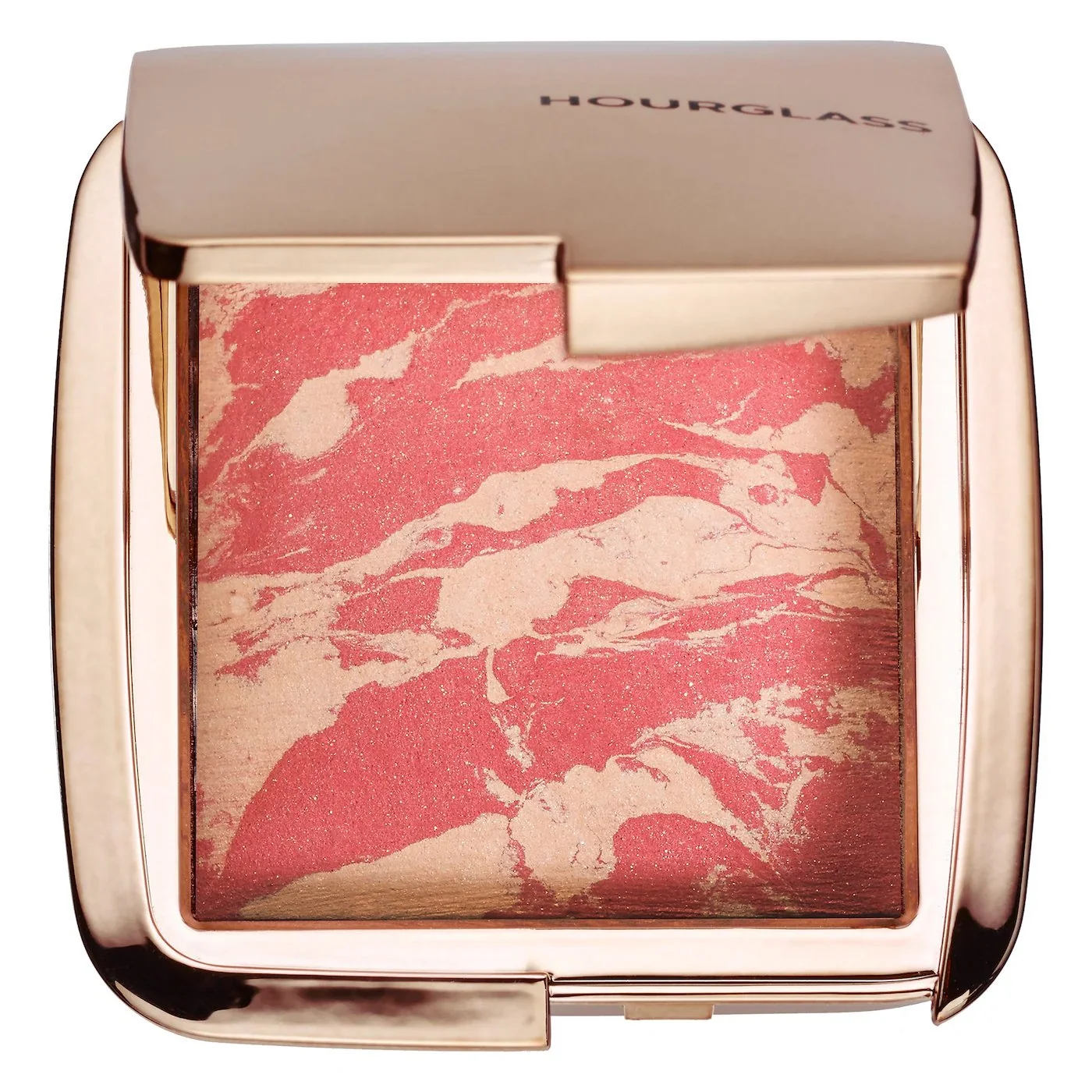
Modern Suggestions
• Chantecaille Cheek Shade
• Hourglass Ambient Lighting Blush
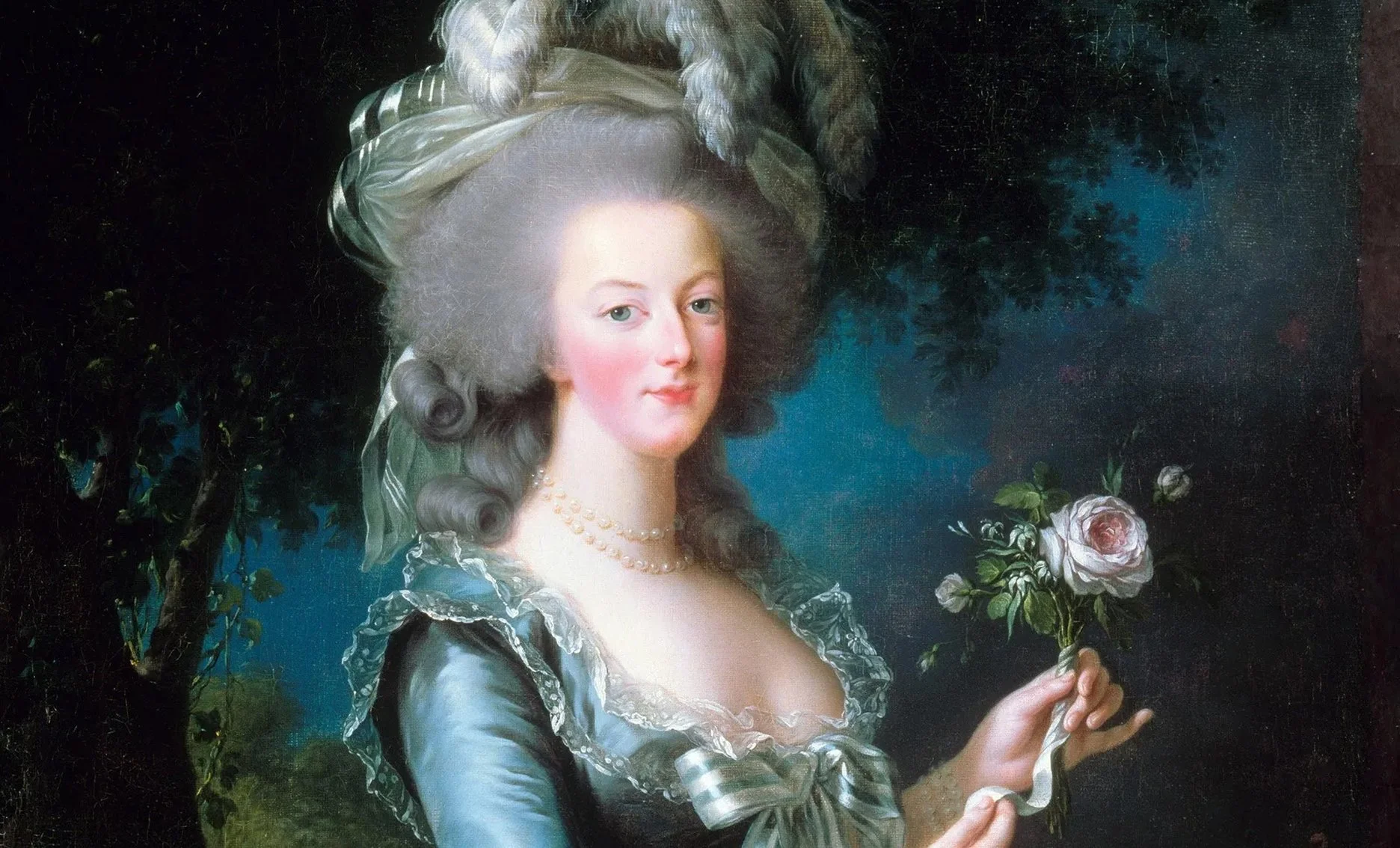
The Rococo Edit: More Is More
If subtle blush isn’t your thing, you would have fit right in at an 18th-century French palace. The Rococo era embraced visible rouge as a symbol of wealth, status, and fashion. Delicate was out. Dramatic was in. Honestly, modern beauty trends aren’t all that different. Today's bold blush placement, bright pink cheeks, and highly pigmented formulas would feel perfectly at home in Versailles.
What the Rococo Era Taught Us
There is no such thing as too much blush. Only insufficient blending.
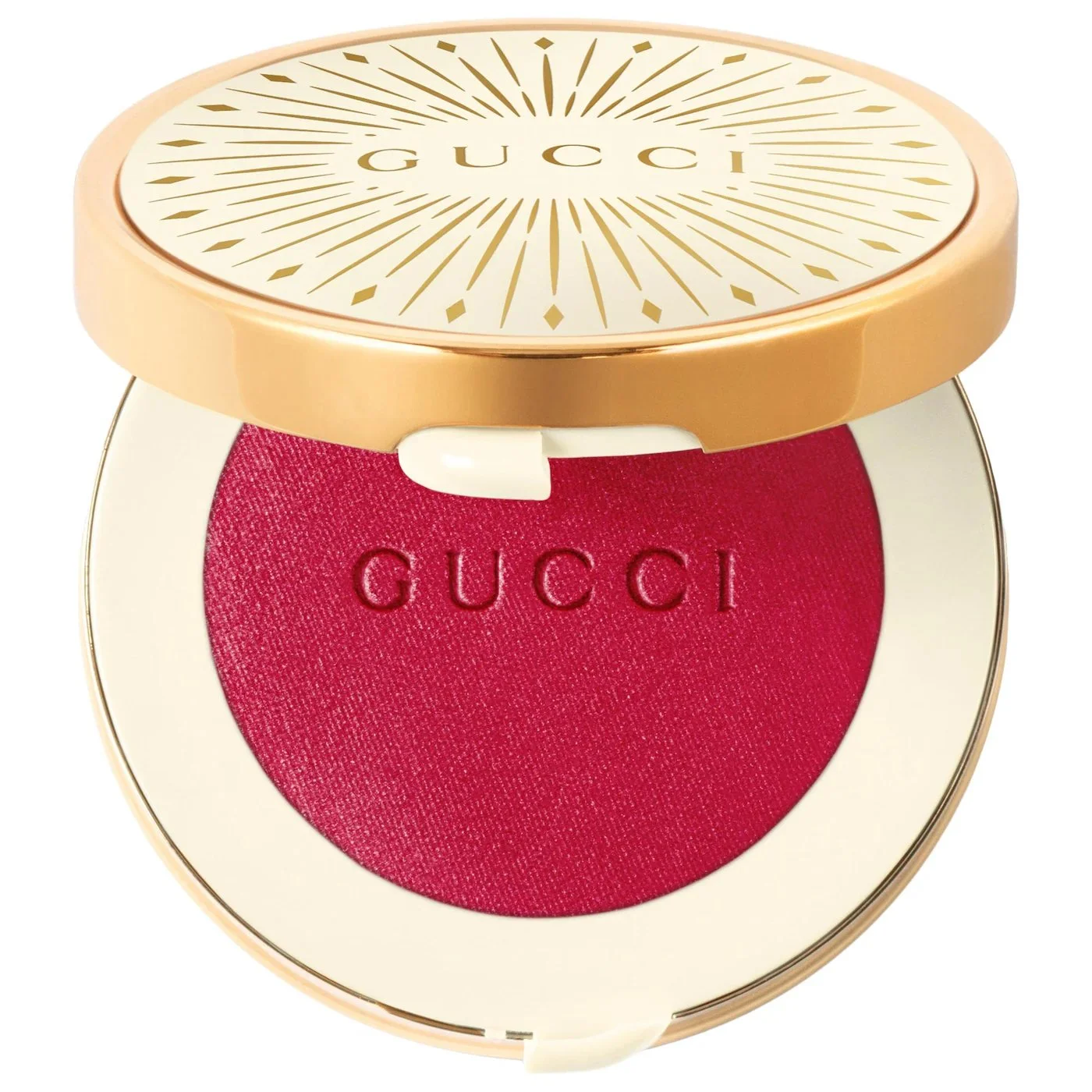
Modern Suggestions
• Gucci Glow Dewy Powder Blush
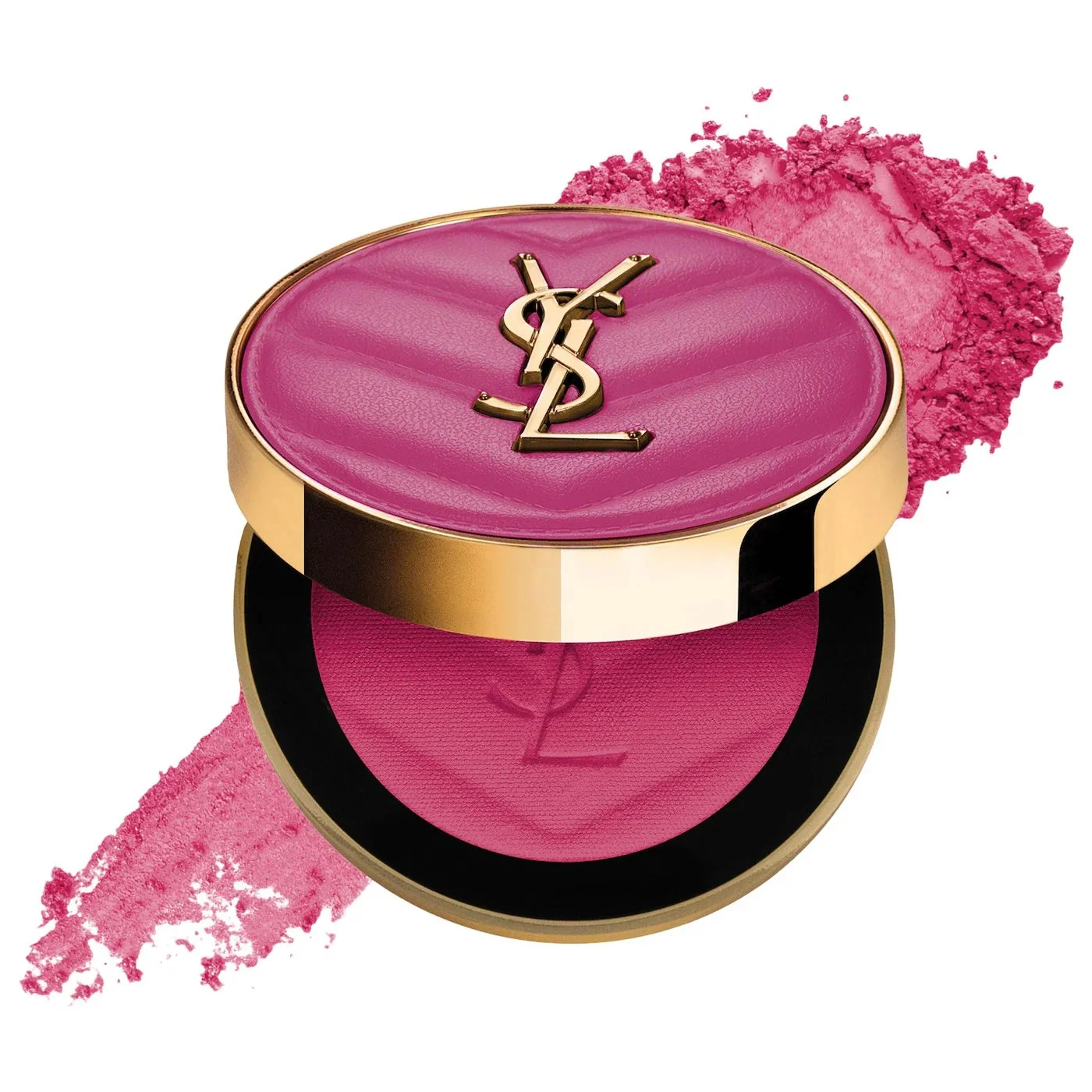
• YSL Make Me Blush Powder Blush
Victorian: The Original No-Makeup Makeup Trend
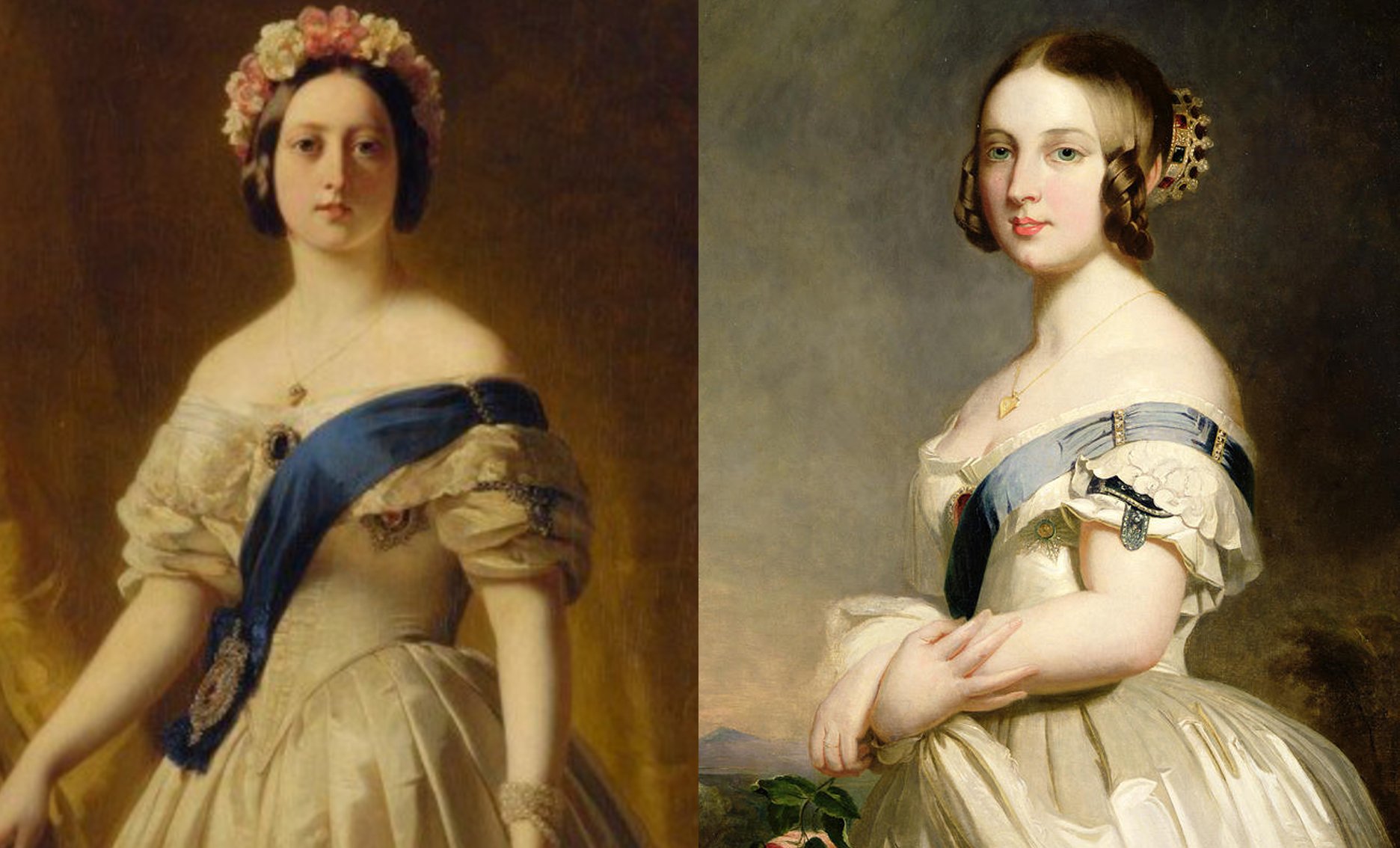
By the Victorian era, obvious makeup had fallen out of favor. Women wanted flushed cheeks, but they also wanted everyone to believe those flushed cheeks occurred naturally. Sound familiar? Some resorted to pinching their cheeks. Others used subtle stains to create the illusion of naturally rosy skin. Victorian women essentially invented the "no-makeup makeup" movement long before Instagram existed.
What the Victorian Era Taught Us
Women have been claiming their glow is natural for centuries.
Modern Suggestions
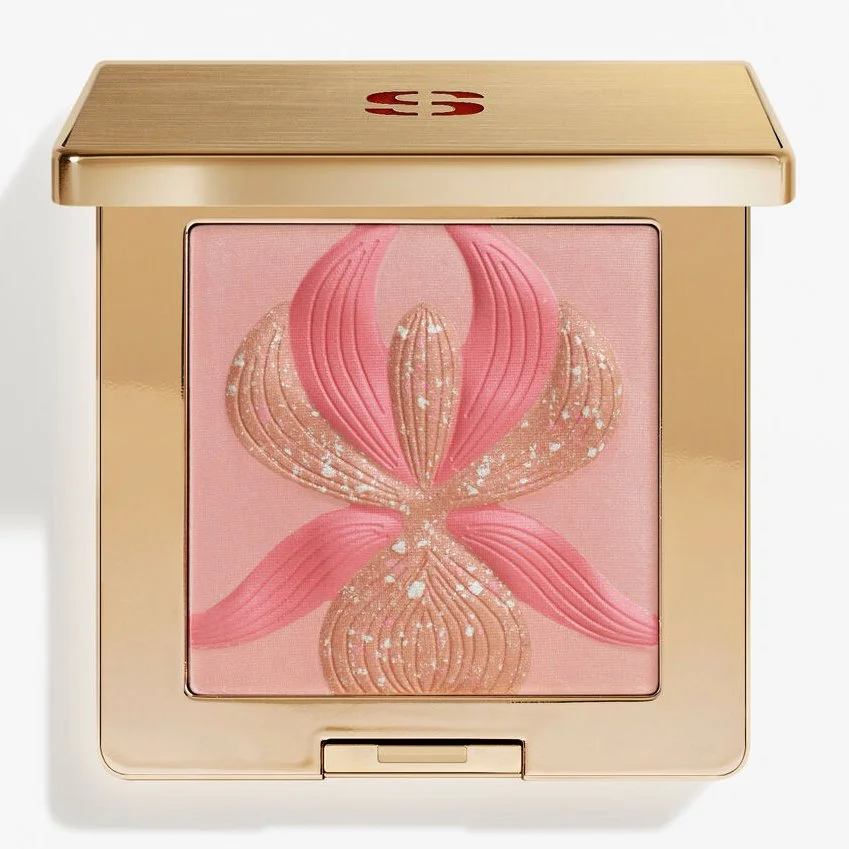
• Sisley Paris L’Orchidee Blush
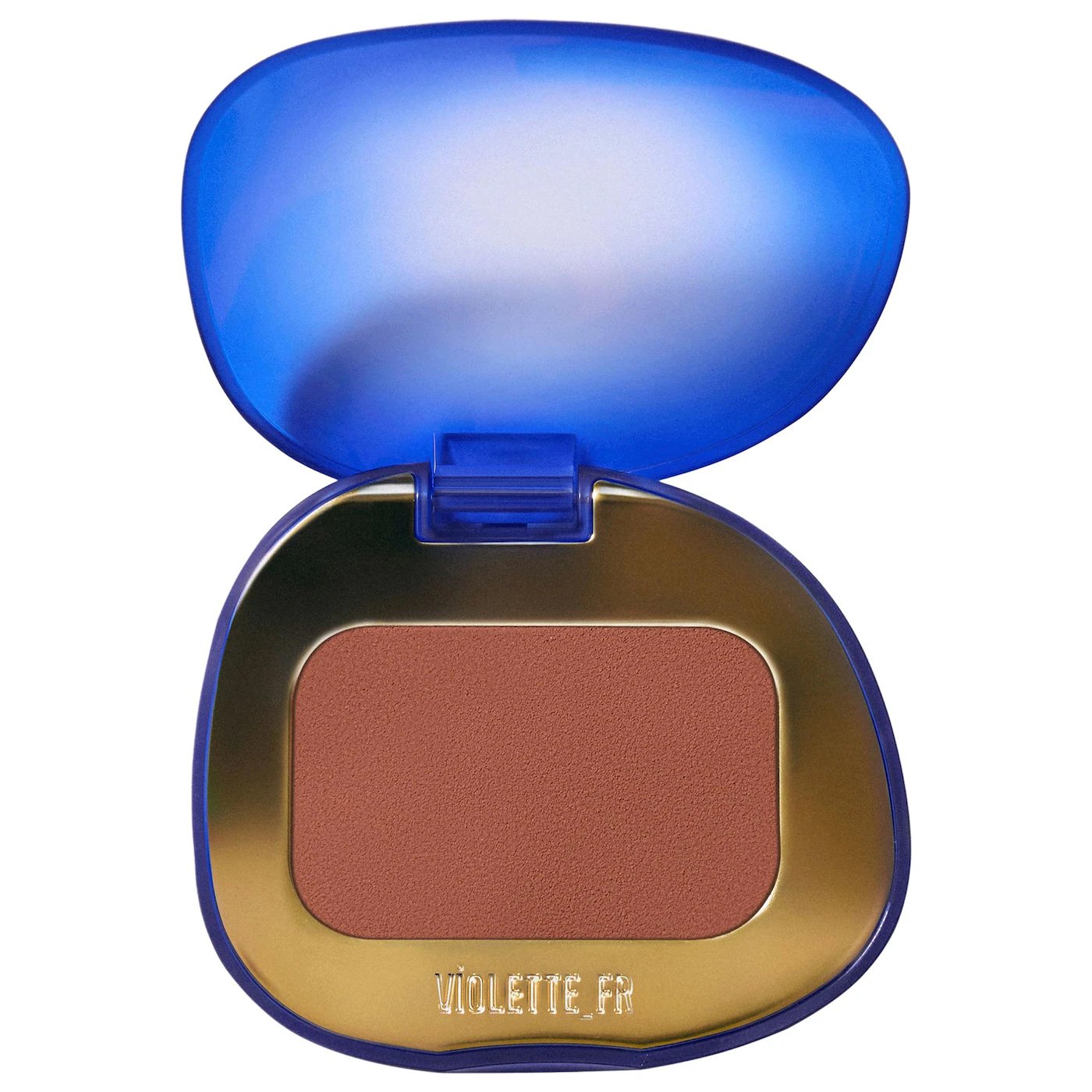
• Violette FR Plume Blush
The Modern Blush Edit
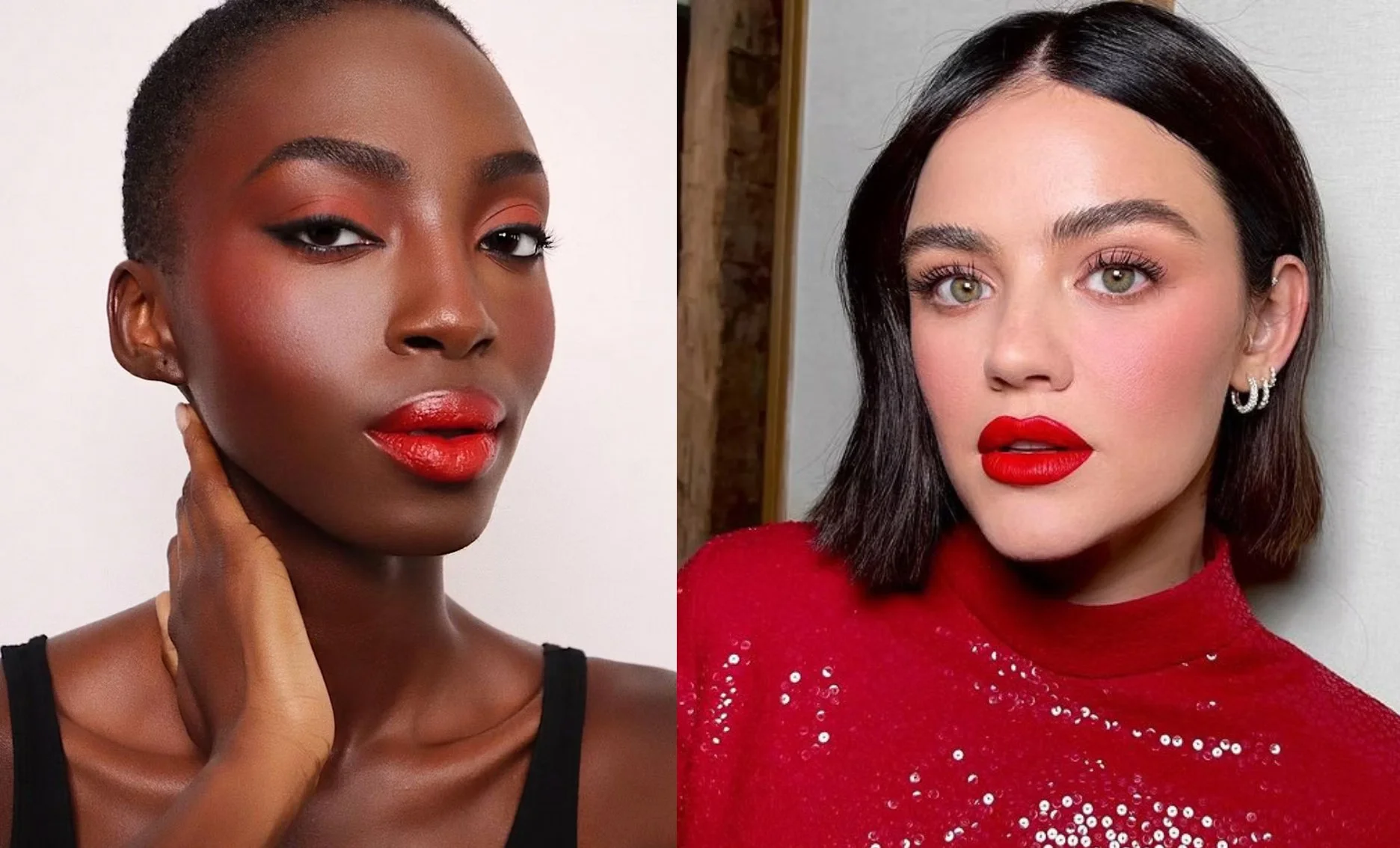
Today’s blush formulas borrow from every beauty era at once. Some days we want a barely-there watercolor flush. Other days we’re channeling French aristocracy and applying enough blush to be visible from space. Both approaches are valid. The good news is that modern formulas are better than they’ve ever been: smoother textures, more realistic finishes, longer wear, and shades that flatter virtually every skin tone. Because after thousands of years, one thing remains true:
Blush always comes back.
The only thing that’s changed is how many of them we own.
*This website may contain affiliate links, meaning I get a commission if you decide to make a purchase through my links, at no cost to you.
