
A Brief History of Lipstick—And the Best Formulas to Wear Now
If you own more lipsticks than you could possibly finish in one lifetime, congratulations: you’re participating in one of beauty’s oldest traditions.
Long before beauty counters, lip liners, and the eternal search for the perfect nude, people were finding ways to add color to their lips. Ancient civilizations created pigments from minerals and plants. In the 1920s, lipstick became a symbol of modern femininity and independence. Hollywood turned the red lip into an icon. And by the 1990s, brown, beige, and barely-there lips had an entire generation convinced we needed at least six versions of essentially the same shade.
Thankfully, today’s formulas are considerably more sophisticated.
As with blush (A Brief History of Blush), many of the lip trends we’re wearing now have roots in beauty history. So let’s take a look at four iconic lipstick eras—and the modern formulas that capture each one beautifully.
Click on the images for links*
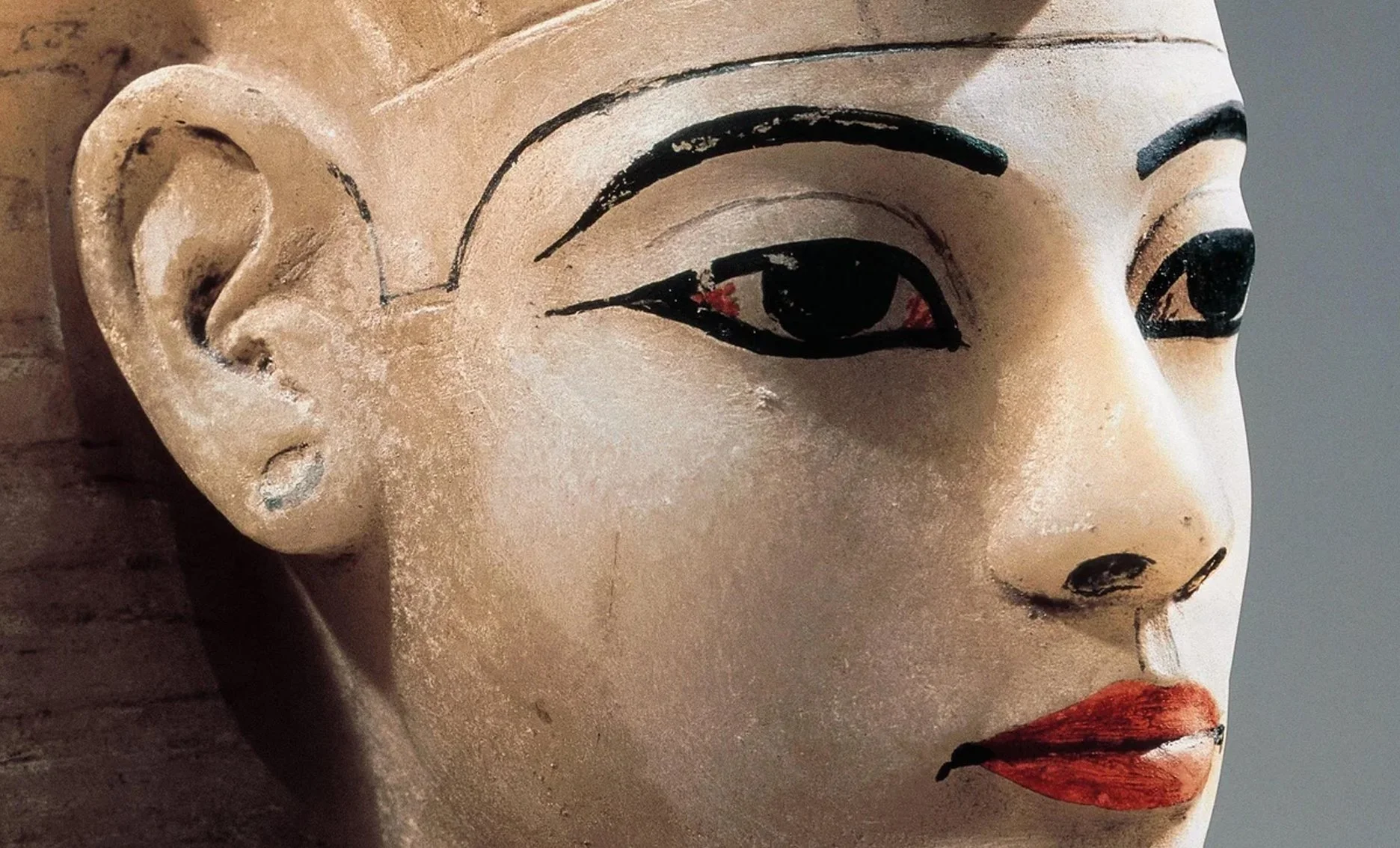
The Ancient Edit: Lip Color as Power
Lip color goes back thousands of years. Ancient Mesopotamians and Egyptians used pigments made from minerals and other natural materials to decorate their lips, and cosmetics could communicate beauty, status, and identity. Cleopatra may not have had a makeup bag as we know it, but the basic philosophy was already firmly established: when in doubt, put something fabulous on your lips. Thousands of years later, rich, saturated lip color still has exactly the same ability to transform a face.
What the Ancient World Taught Us
Never underestimate the power of a good lipstick.
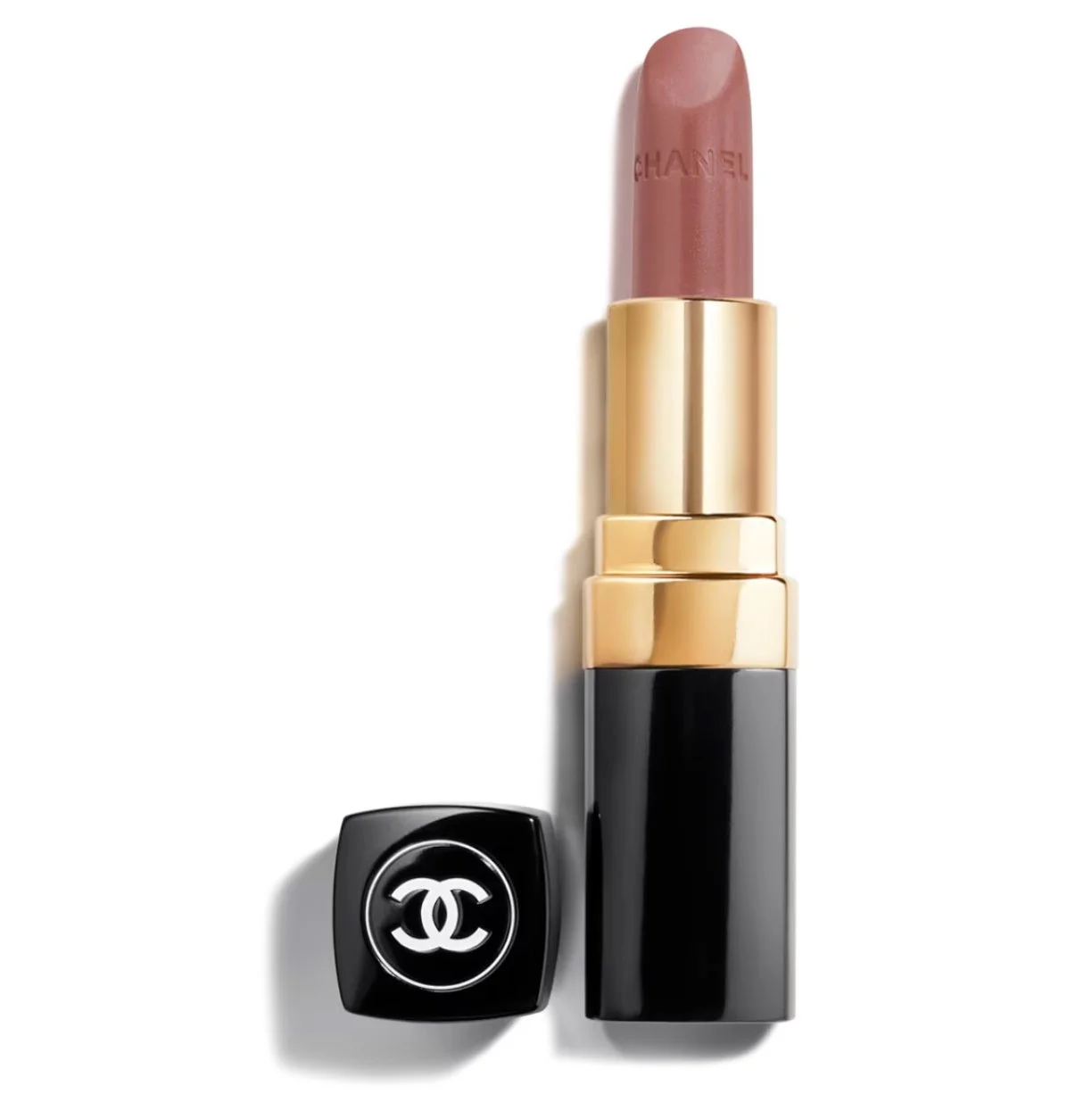
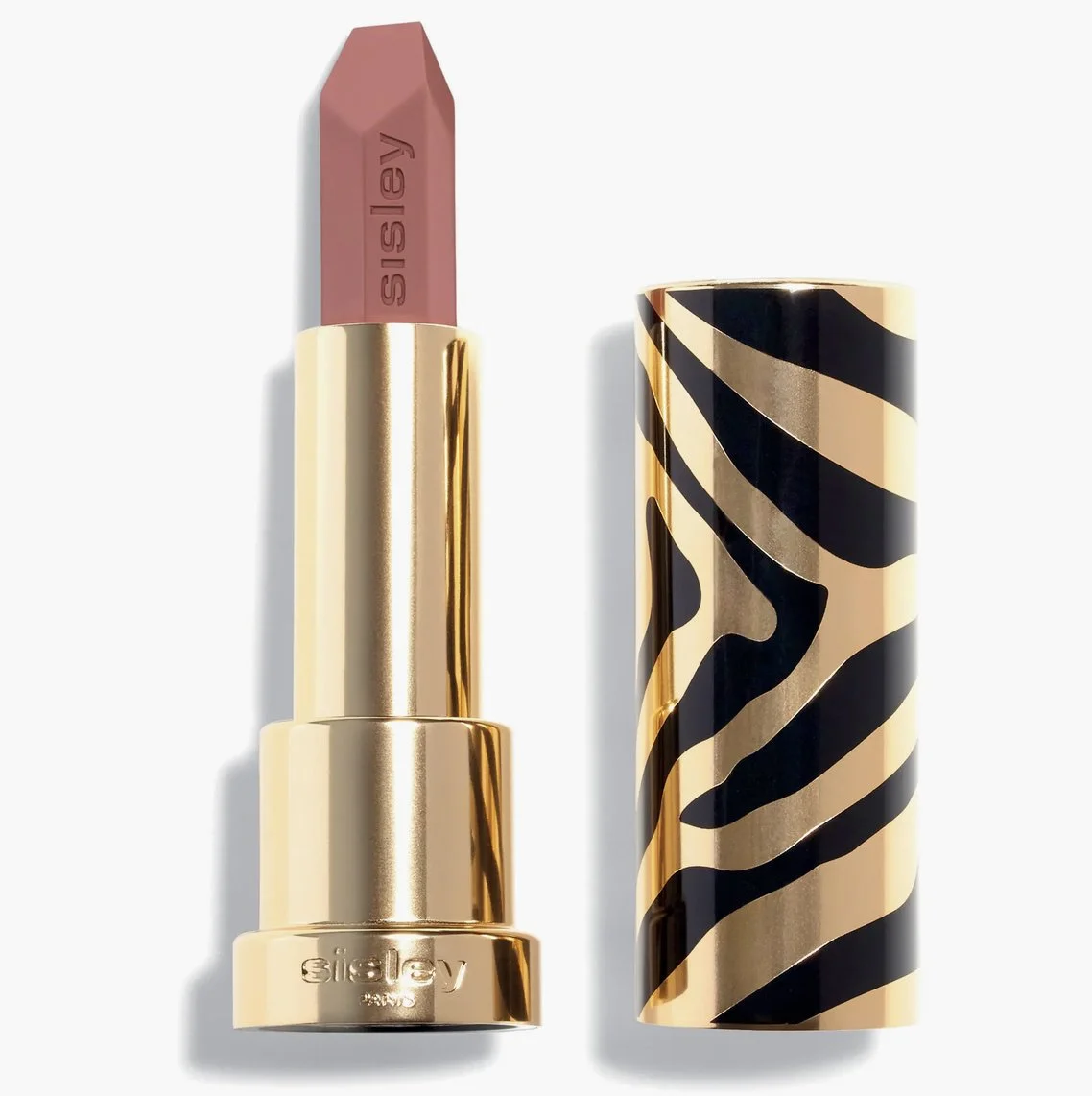
Modern Suggestions
• Chanel Rouge Coco
• Sisley Le Phyto-Rouge Lipstick
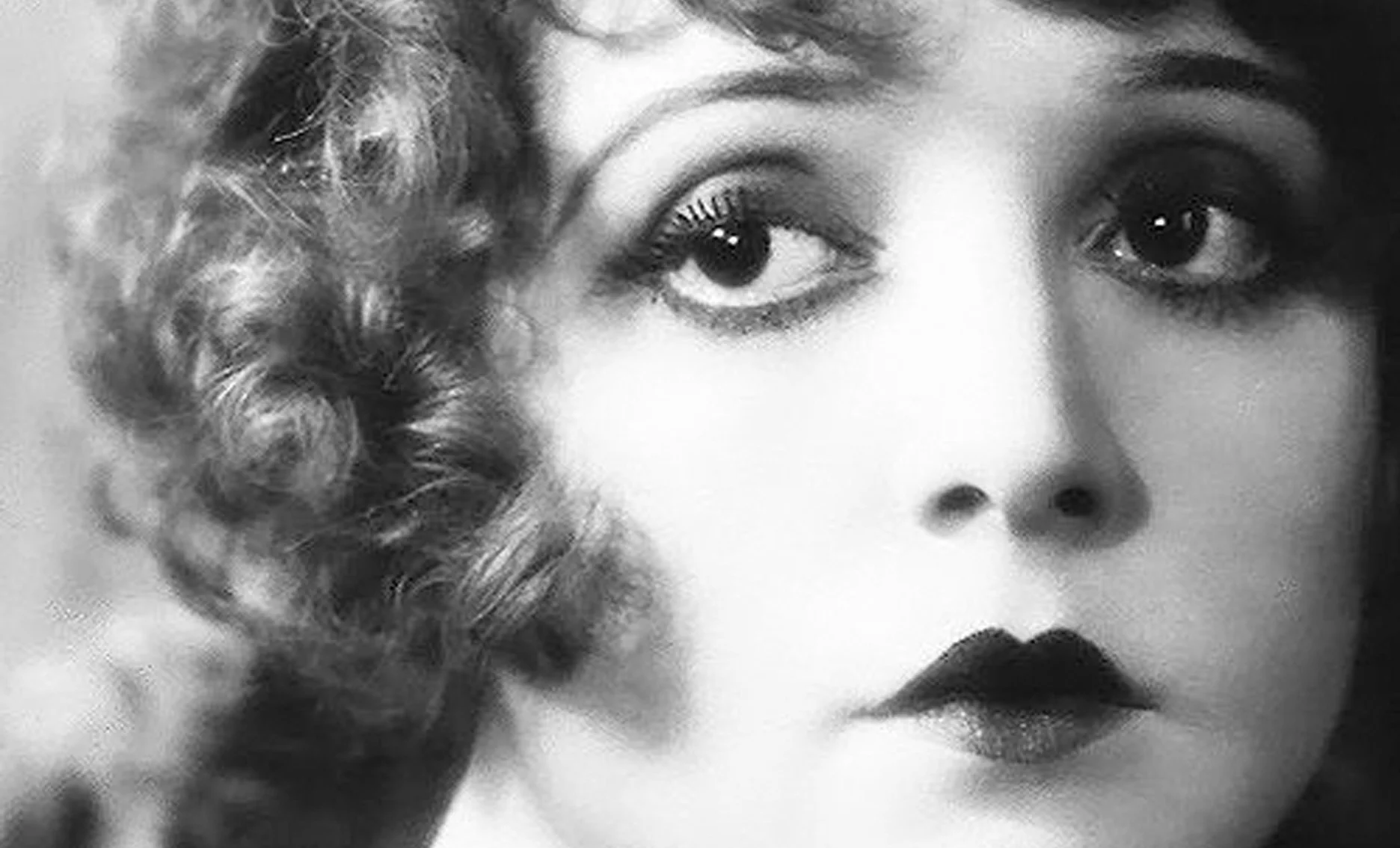
The 1920s Edit: Lipstick Gets Rebellious
By the 1920s, lipstick had become part of a much bigger cultural shift. Flappers were cutting their hair, shortening their hemlines, dancing, drinking, and very visibly wearing makeup. The small, dramatically defined mouth became one of the decade’s signature beauty looks, and lipstick was no longer something women necessarily tried to hide. Applying it in public could itself feel modern and daring. A century later, pulling a beautiful lipstick out of your handbag still feels strangely satisfying. Some things simply deserve an audience.
What the 1920sTaught Us
A lipstick is a beauty product. A beautiful lipstick case is an accessory.
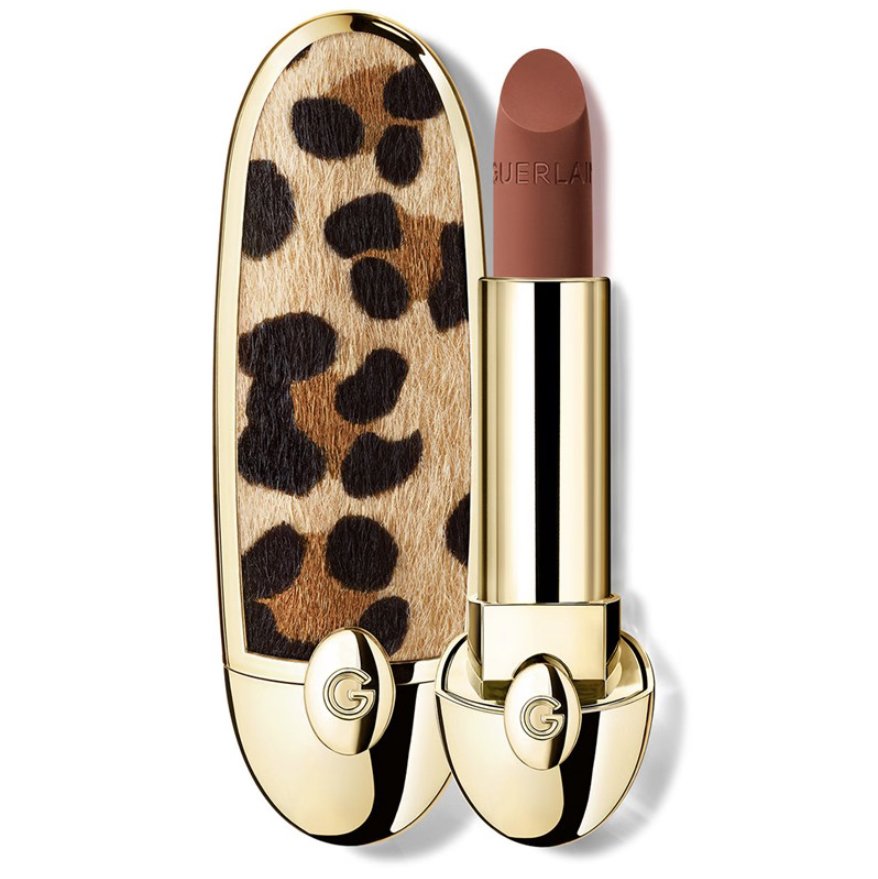
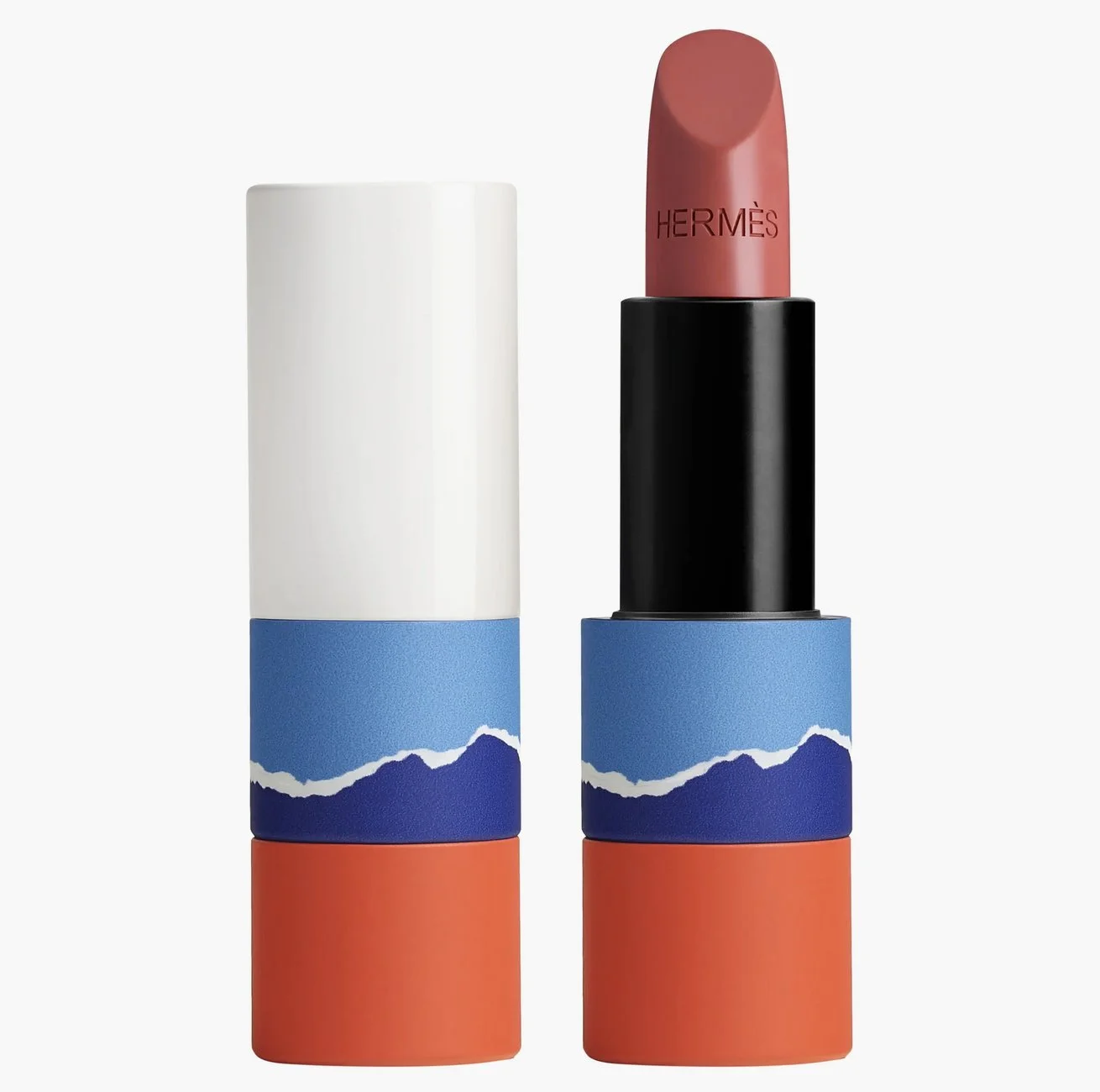
Modern Suggestions
• Guerlain Rouge G
• Hermès Satin Lipstick
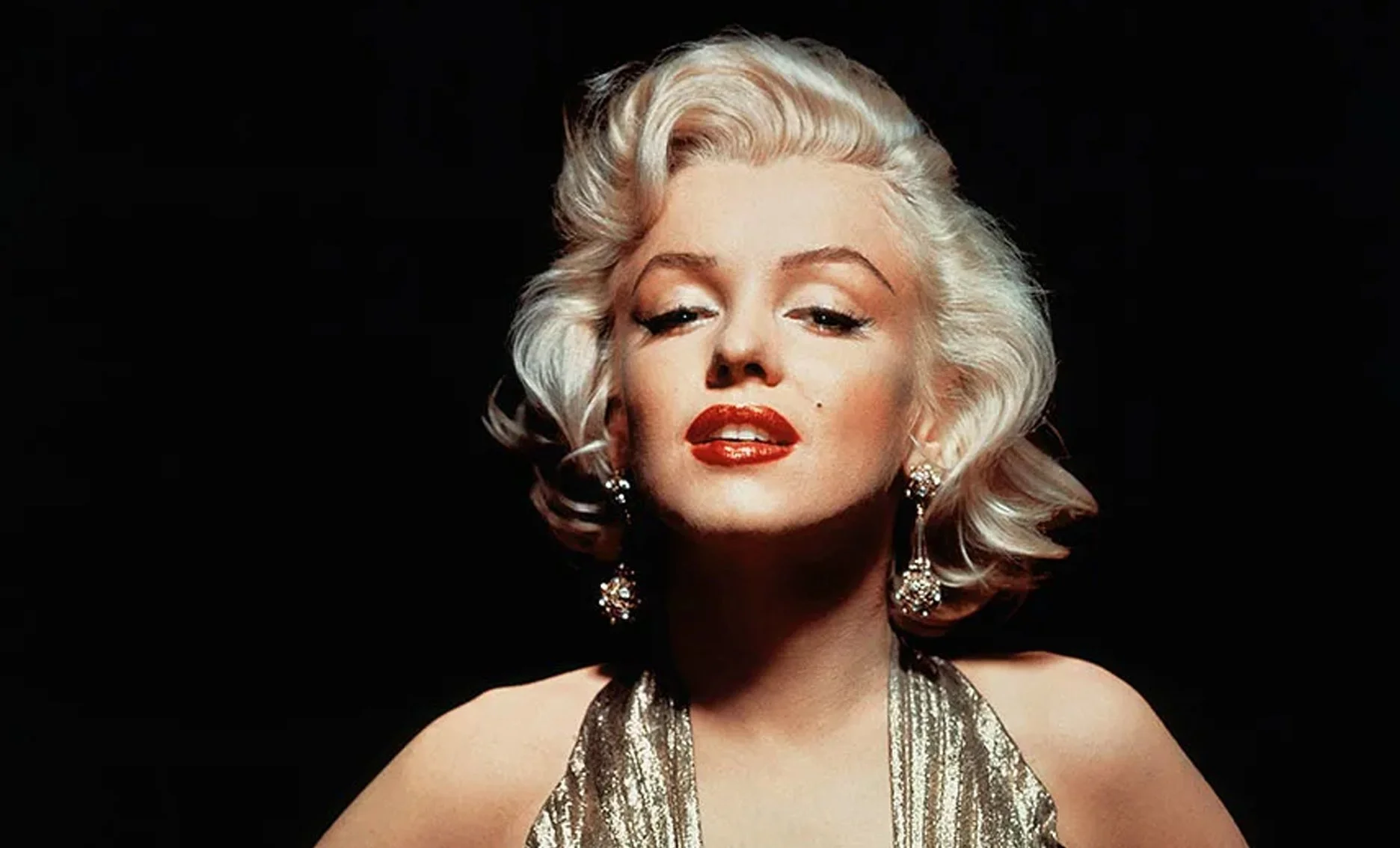
The Hollywood Edit: The Red Lip Becomes an Icon
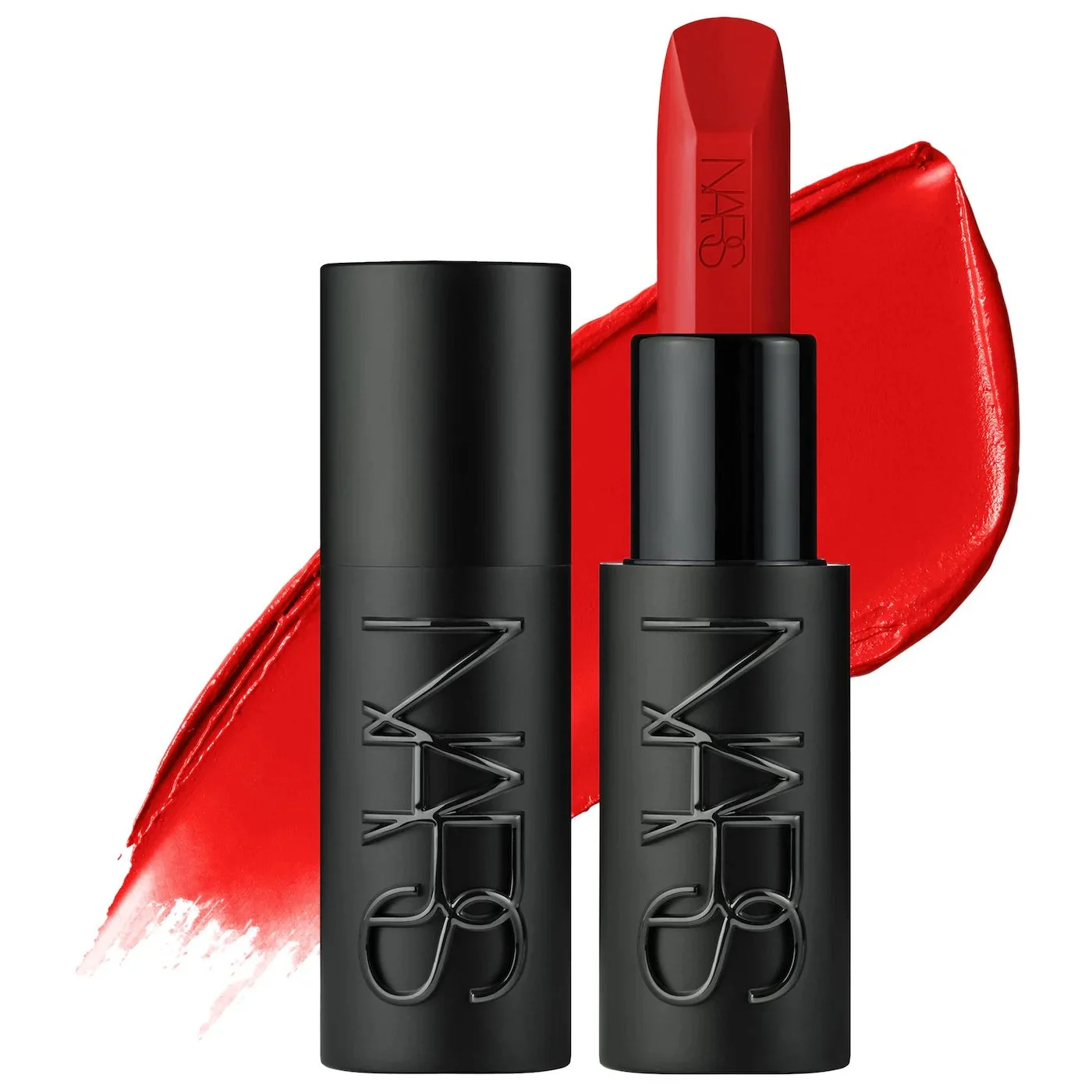
If the 1920s made lipstick fashionable, Hollywood made it glamorous. During the 1940s and 1950s, movie stars helped turn perfectly painted lips—particularly red lips—into one of the most recognizable beauty signatures in the world. Lipstick could instantly make a face look polished, sophisticated, and camera-ready. The appeal hasn’t changed much. A great lipstick still has the ability to make it look as though considerable effort has occurred... even when absolutely none has.
What HollywoodTaught Us
When the rest of your face is questionable, wear lipstick and act confident.
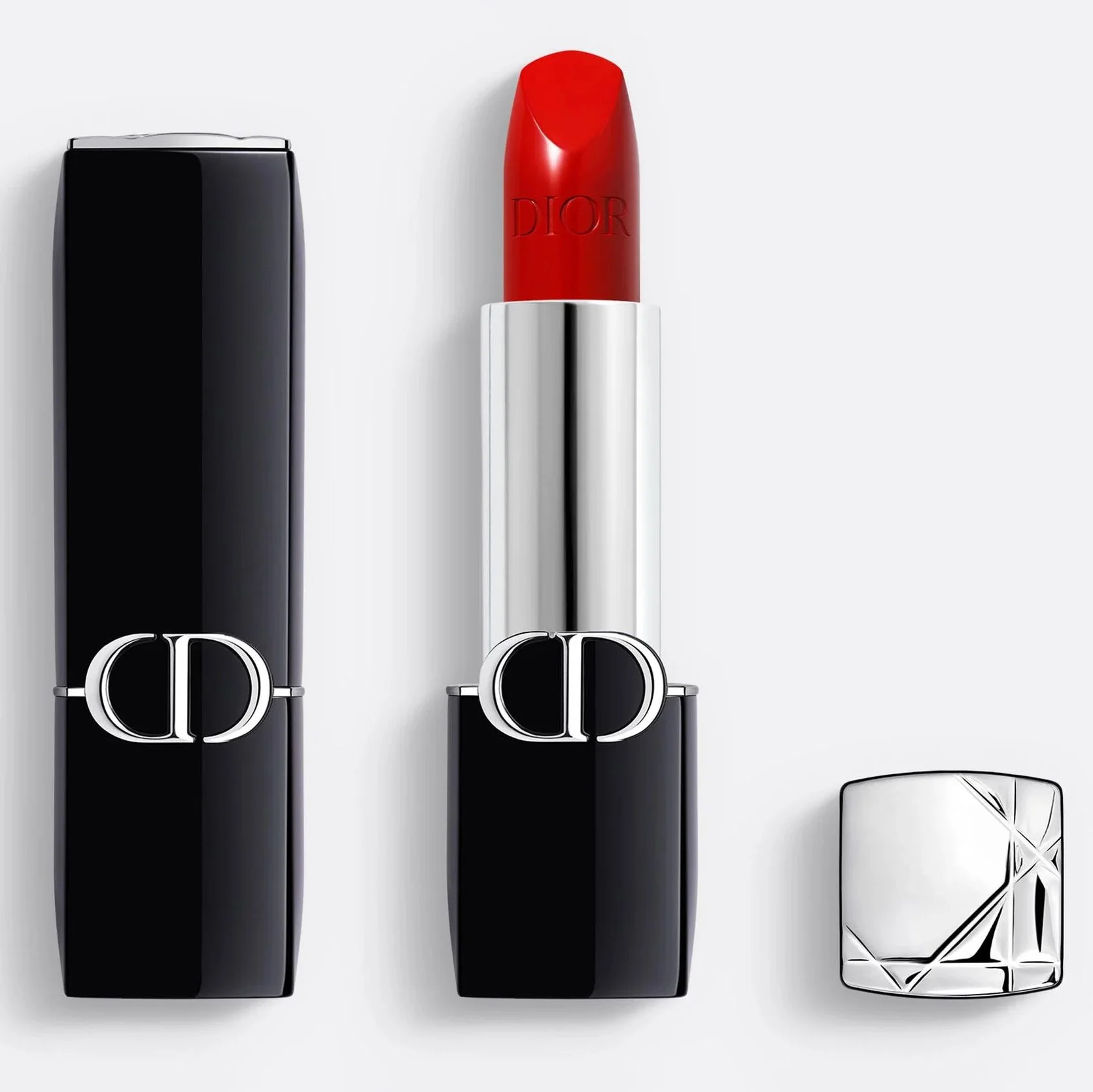
Modern Suggestions
• Rouge Dior 999
• NARS Explicit Lipstick in 863 Unauthorized
The 1990s Edit: Brown, Beige & Effortlessly Undone
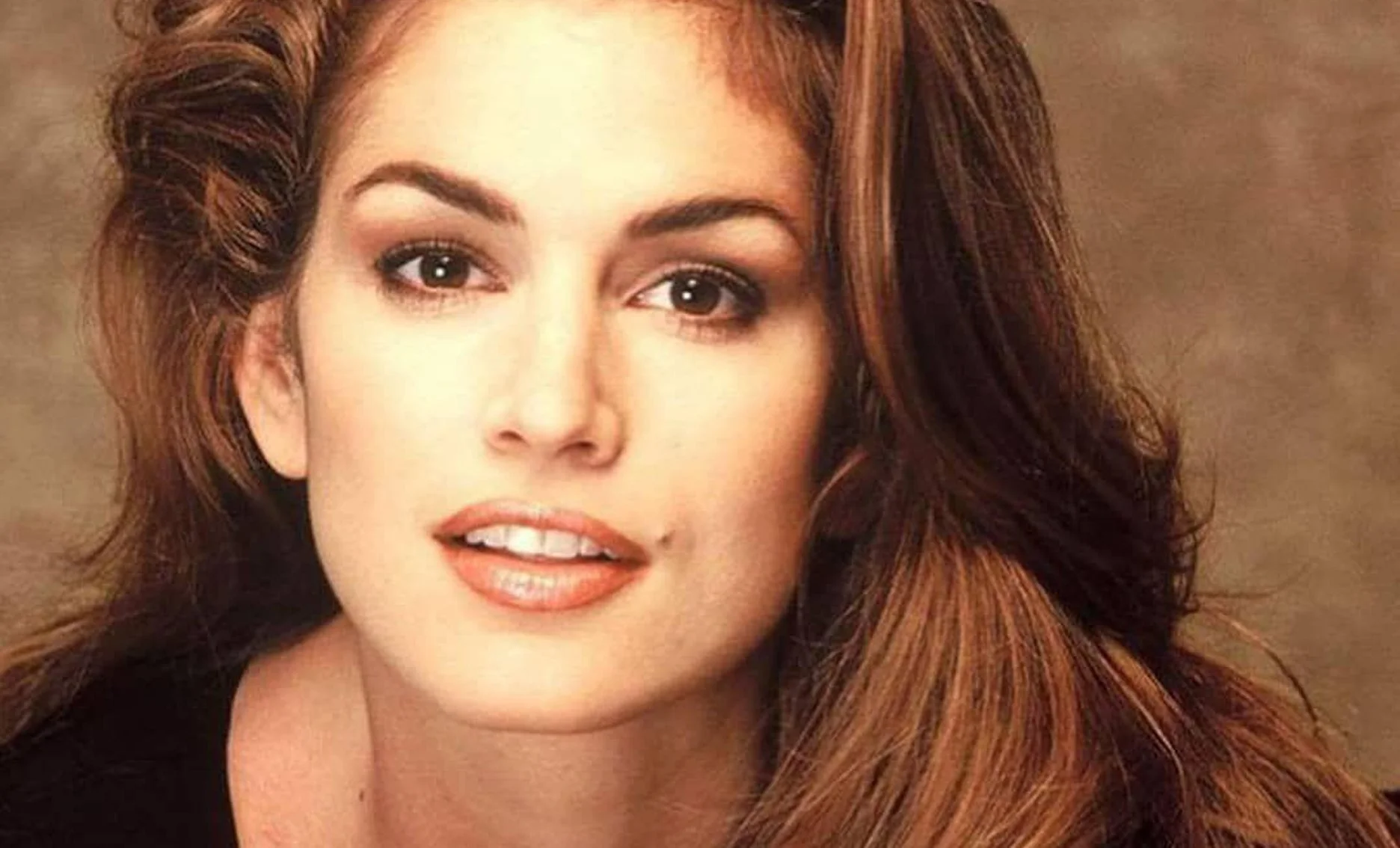
After decades of highly polished lip looks, the 1990s gave us something decidedly more relaxed. Brown lip liner, beige lipstick, muted rose, brick, mauve, and sheer washes of color dominated the decade. Lips looked less “perfectly painted” and more lived-in—a little undone, a little cool, and considerably less interested in behaving. Not surprisingly, many of those shades and finishes are back. The difference? Today’s formulas are far more comfortable, flattering, and sophisticated than the aggressively matte lipsticks some of us survived the first time around.
What the 1990sTaught Us
If you kept your brown lipstick long enough, eventually you became fashionable again.
Modern Suggestions
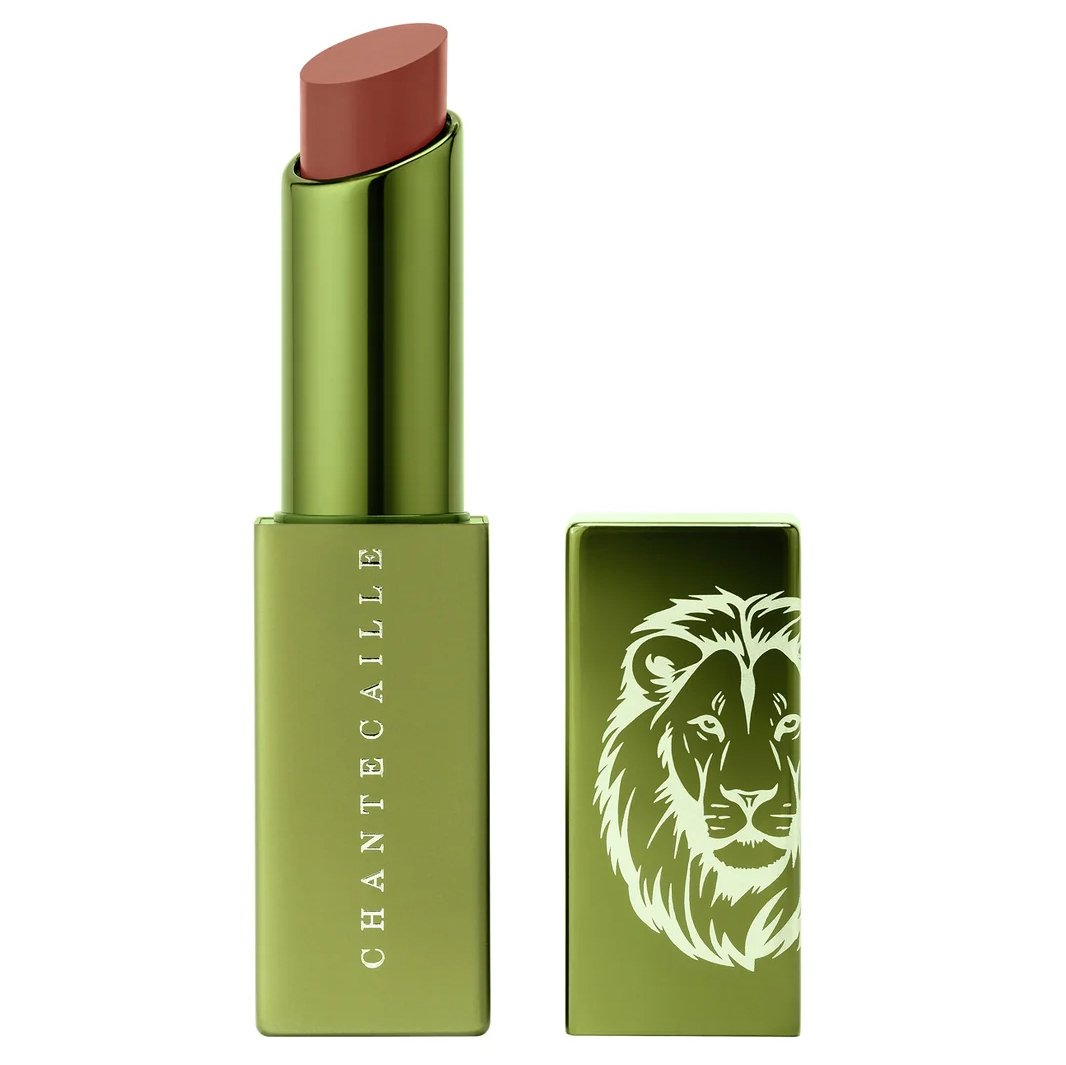
• Chantecaille Lip Veil in Rock Jasmine
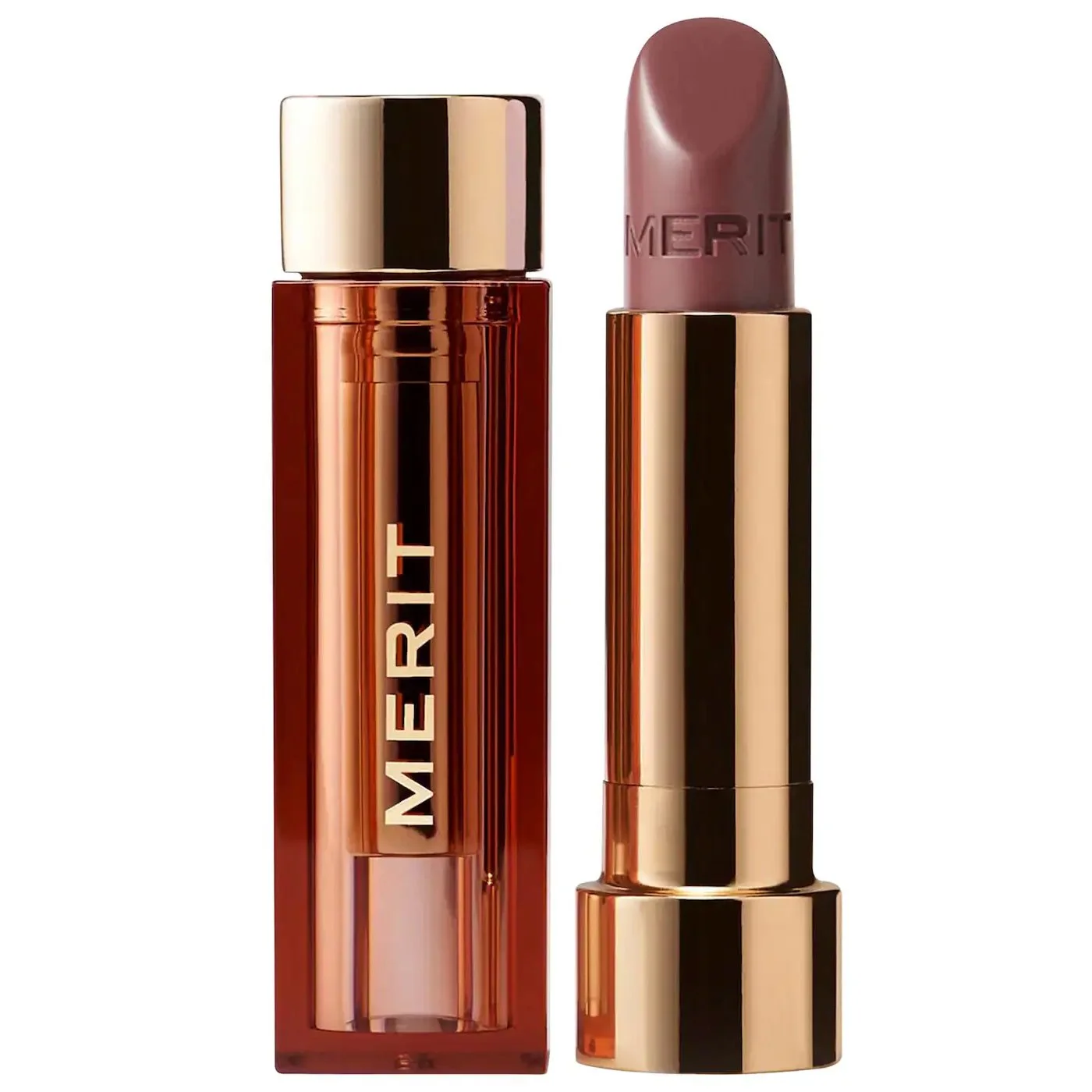
• Merit Signature Lip Lightweight Lipstick in Bespoke
The Modern Lipstick Edit
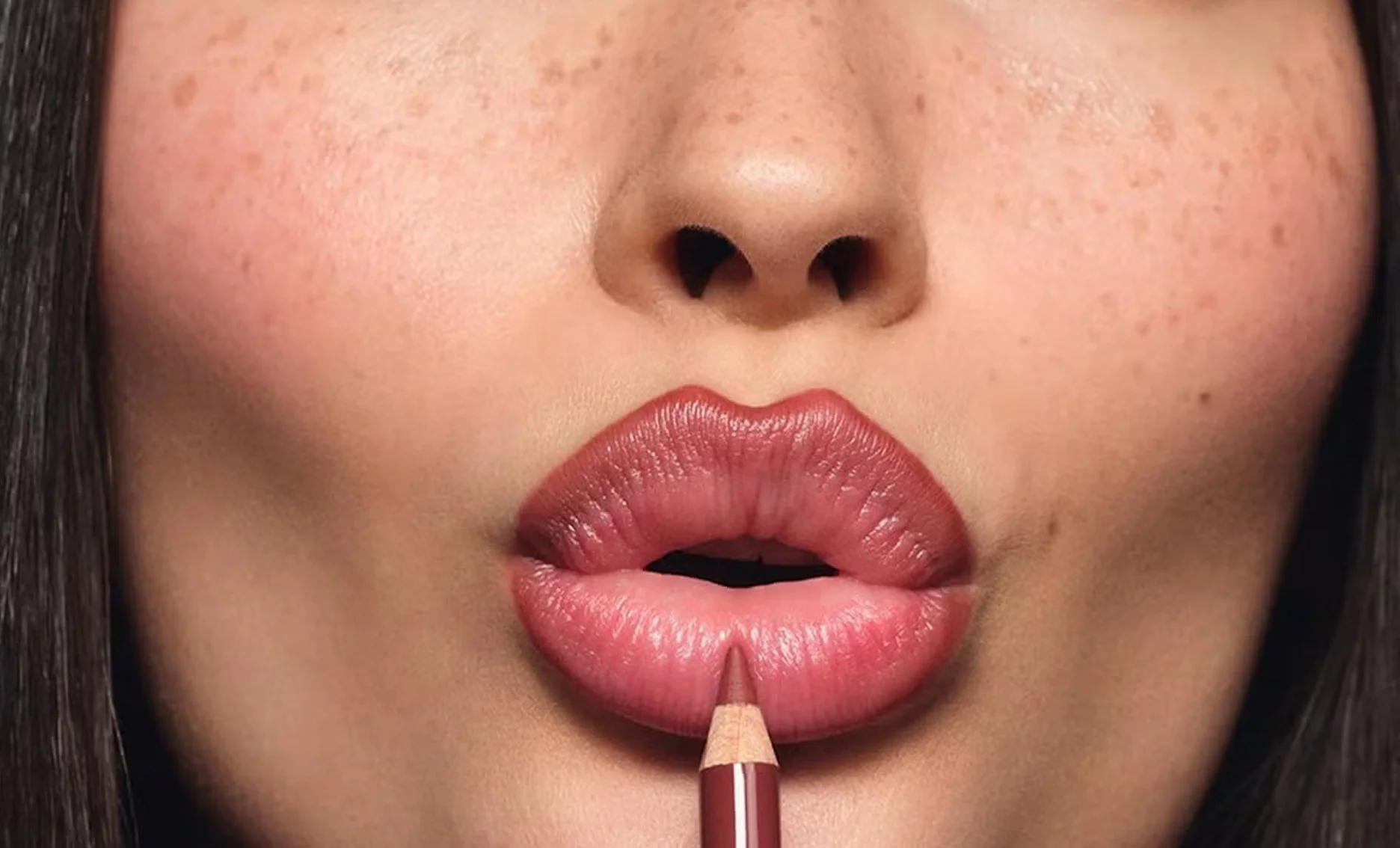
Today’s lipstick formulas borrow a little something from every era. We still love the drama of a classic red. We still appreciate the ritual of pulling a beautiful lipstick case out of our handbag. And we’ve fully embraced the effortless, blurred, barely-there lip that looks as though we didn’t spend several minutes making it look that way. The real difference is the formulas.
Modern lipsticks can deliver intense pigment without feeling heavy, sheer color without disappearing immediately, and matte finishes that no longer require accepting dry lips as part of the arrangement. There are balms, satins, velvets, creams, oils, and hybrids that are increasingly difficult to categorize—and even more difficult to resist.
Because after thousands of years, one thing remains true: Lipstick never really goes out of style. The only thing that’s changed is how many versions of “the perfect nude” we can justify owning.
*This website may contain affiliate links, meaning I get a commission if you decide to make a purchase through my links, at no cost to you.
